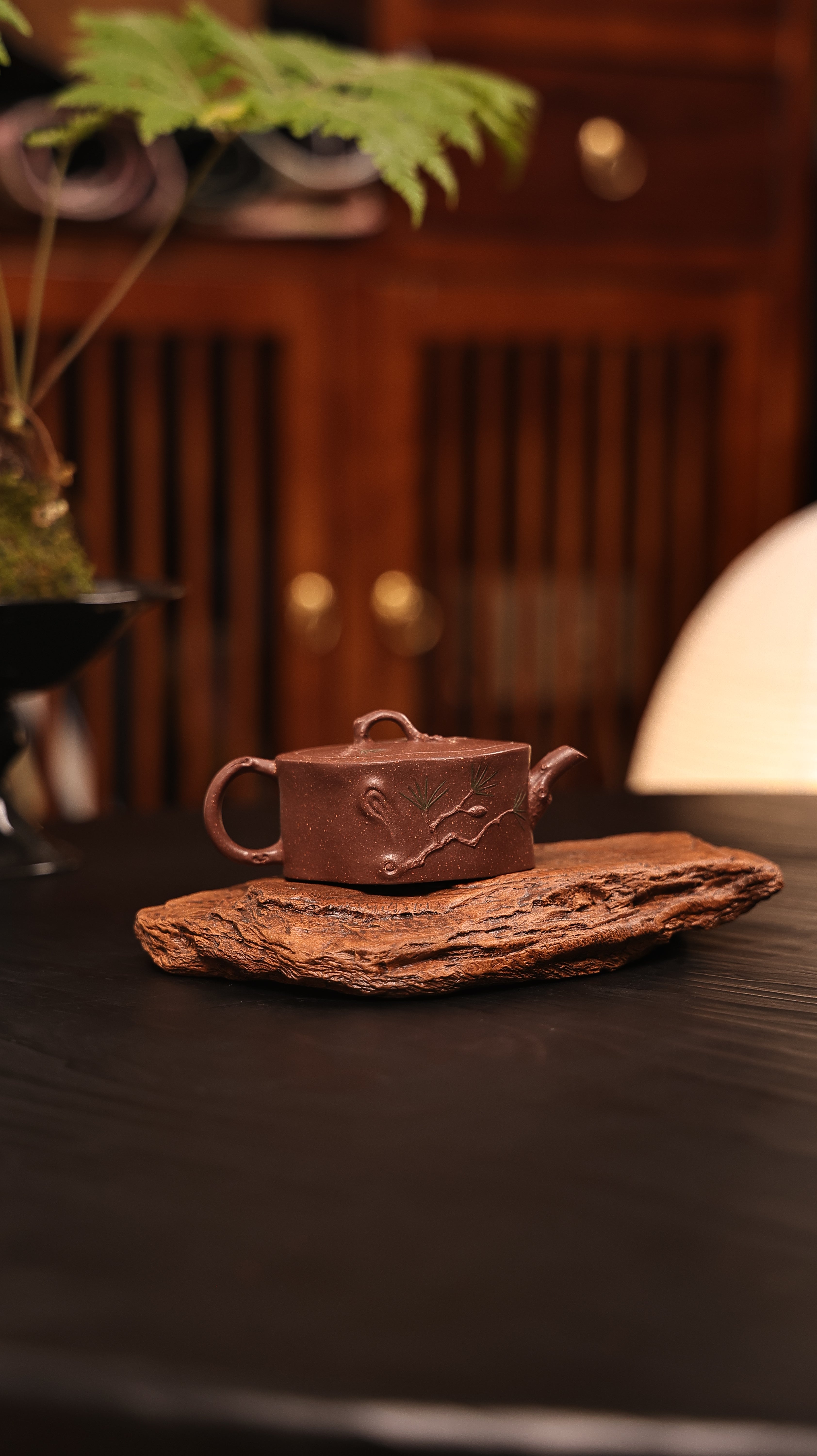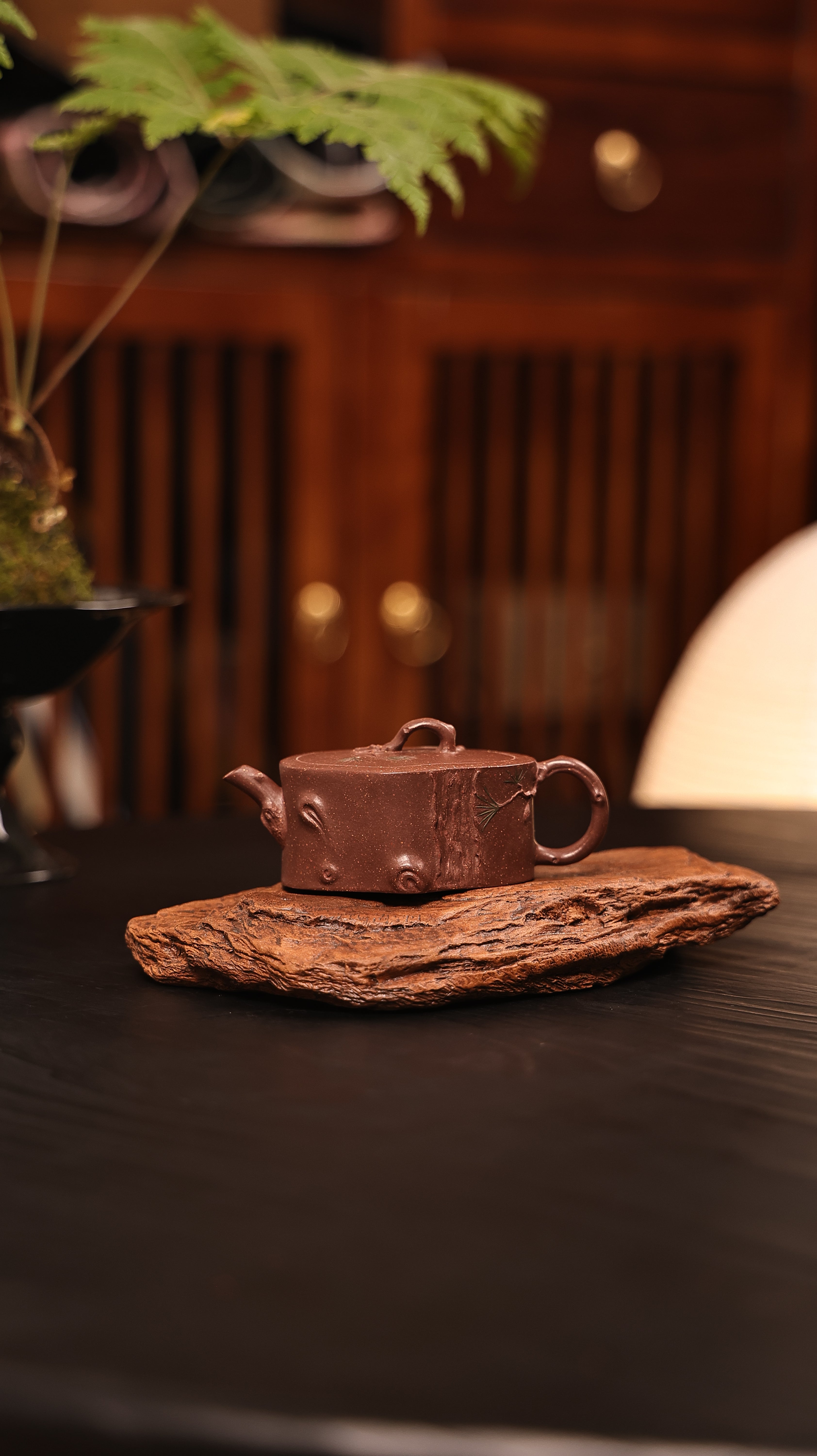
Epochs in fans have long cherished the particular magnetism of Yixing Zisha flasks. Born in the modest town of Yixing, the land, these earthenware are formed from a peculiar and harvested purple clay esteemed for its superior thermal features and tendency to enhance the richness of extracts. Outside of their operative worth, Zisha teapots symbolize a lasting customary inheritance, causing them highly admired and a legitimate find for any dedicated teapot devotee.
Examining Yixing Earthenware
Yixing teapots illustrate a unusual fusion of history and experienced craftsmanship. Rooted in Yixing, Jiangsu Region of China, their narrative originates in the Ming Dynasty, although traces suggest earlier manifestations. The exceptional auburn clay, called Zisha, found exclusively in the Yixing region, is the fundamental component, contributing to the pots' exceptional heat sustaining and the manner they modify the flavor of tea. Epochs of potters have improved techniques—often inherited through families—including designing the clay, applying ornate embellishments, and firing the pots at precise temperatures.- At first, Yixing teapots were often adorned with simple designs.
- Thereafter, more intricate carvings and iconographic motifs became widespread.
- The kiln firing itself is a vital element, requiring decades of experience.
Obtaining Zisha Teapots: Fundamental Points
Undertaking a journey to secure Zisha jars can be pleasurable, but it’s fundamental to know what to seek. Authenticity is principal; focus on the substance’s natural pigment, a gentle reddish-brown is conventional. Examine the structure; genuine Zisha has a notable tactile sensation, often depicted as slightly rough. The design should be attractive and consistent with traditional styles, while maker’s marks, if present, require precise examination for veracity. Don’t refrain to consult with skilled authorities or reputable authorities – their wisdom is immeasurable.
Renowned Vessels: Examining the Practice of famous Zisha
Ages have seen Yixing Zisha Clay teapots possess a notable role in Chinese arts. These artfully designed pots, sourced uniquely from the district of Yixing, are acclaimed for their characteristic complexion, texture, and their ability to enhance the flavor of infusions. Countless Chinese Teapot collectors value antique Yixing teapots, treasuring them profoundly not only for their aesthetic loveliness, but also for the heritage they express.
Yixing Zisha Teapots: This Ultimate Selections and Their Aspects
Ming Clay teapots, produced in the regional region of Yixing, this nation, are renowned for their unique clay and outstanding brewing skills. Amidst the different Zisha types, selected types that are highly esteemed include Zhuni. Binzhou, known for its dark purple shade and smooth texture, delivers a tempered flavor. Duan Ni species, recognizable by its auburn color and mildly grainy feel, is considered to enhance tea’s substance. Lastly, Zhuni form boasts an extraordinary ruby tone and can lend a nice nuance. Each sort grants a unique experience, making them distinctly desirable within drink enthusiasts.
Mastering Unique Earthenware Vessel
To unlock the capability of your Yixing pot, understanding the correct means is critical. These clay containers, celebrated for their openness, will continually develop the nature of the tea you infuse within them. Begin by washing the urn thoroughly with heated water. Then, use only high-quality unpacked leaf tea, as lower quality options can affect the pot’s delicate essence. Always allow the leaves to bloom completely, and remember that with each session, your Yixing jar will become progressively refined.
Caring for Your Valuable Zisha Collectible
Proper maintenance for your Zisha pitcher is critical to securing its character and esteem. Zisha clay, recognized for its unique tinge and feel, requires mindful handling. Never use harsh solutions, as these can harm the layer. After every action, rinse the urn with warm water and allow it to evacuate moisture completely.
- Refrain from soaking the pitcher for extended periods.
- Sometimes use a soft cloth to dust the exterior.
- Weigh applying a thin layer of food-grade oil inside the pitcher after drying, which can minimize staining.
Basics of Yixing Clay Pots
Yixing containers, originating from the Yixing sector in Jiangsu Province, within China, are celebrated for their distinctive properties. Crafted from the unique purple soil known as Zisha, these jars are prized by liquid enthusiasts worldwide. This guide will gently explain the essentials – covering categories of Zisha clay, widespread shapes, and necessary care pointers. Understanding the genesis of Yixing clay pots can broaden your appreciation for this valued example of Han tradition.
Art of Zhongguo Containers: Examining Zisha deriving from Yixing City
Zisha ware from the Yixing district represents the apex of Eastern pitcher design, demonstrating a unique combination of earthy beauty and useful artistry. These outstanding pieces are celebrated for their profound tones, often varying from bold purples and mahogany hues to pale greys and faint beiges. The noted mineral composition of the exclusive-to-the-area Zisha substrate imparts a unique texture and delivers a welcoming aroma that heightens the aggregate potion experience, resulting in them strongly valued collectibles and fundamental components of any serious ceremony.