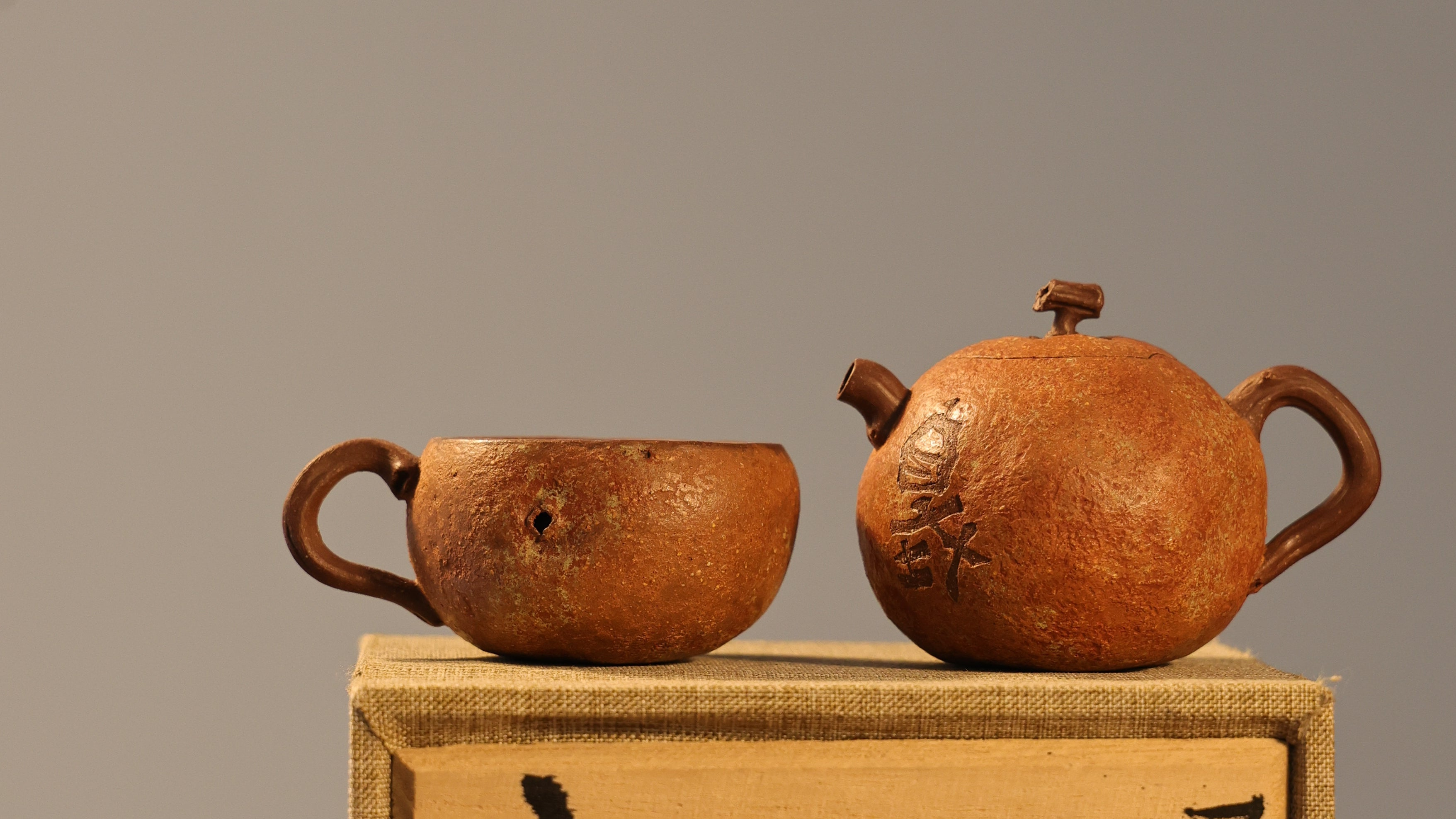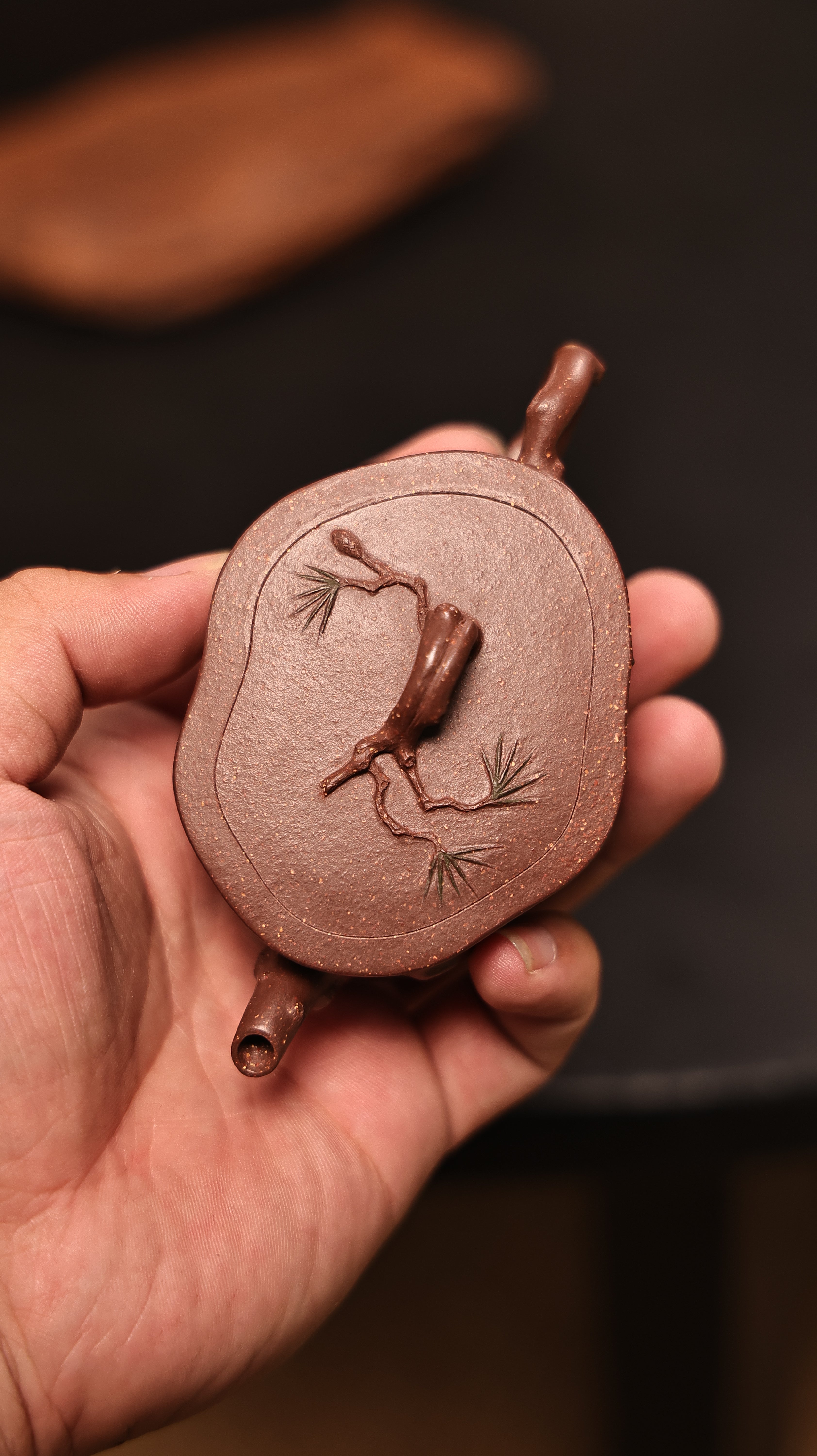
Millennia of connoisseurs have yearned the special attraction of Yixing Zisha vessels. Originating in the small town of Yixing, the country, these vessels are fabricated from a singular and recovered purple clay recognized for its remarkable thermal qualities and facility to intensify the bouquet of infusions. Beyond their valuable asset, Zisha teapots reflect a rich legacy foundation, turning them extremely admired and a legitimate gem for any devoted teapot aficionado.
Surveying Yixing Kettles
Traditional teapots exhibit a distinct integration of history and skilled craftsmanship. Developing in Yixing, Jiangsu Zone of China, their narrative goes back the Ming Dynasty, although manifestations suggest earlier expressions. The singular wine-colored clay, called Zisha, found uniquely in the Yixing region, is the vital component, contributing to the pots' remarkable heat maintenance and the manner they enhance the essence of tea. Sequences of potters have developed techniques—often transmitted through families—including crafting the clay, applying intricate embellishments, and firing the pots at accurate temperatures.- In the past, Yixing teapots were often beautified with simple designs.
- Eventually, more refined carvings and symbolic motifs became usual.
- The firing process itself is a key element, requiring prolonged intervals of experience.
Curating Zisha Teapots: Essential Insights
Starting a venture to procure Zisha vessels can be fruitful, but it’s essential to comprehend what to analyze. Authenticity is vital; focus on the terrain’s natural hue, a soft reddish-brown is traditional. Examine the texture; genuine Zisha has a notable tactile sensation, often depicted as slightly rough. The morphology should be appealing and consistent with historical styles, while impressions, if present, require painstaking examination for authenticity. Don’t hold back to consult with professional consultants or established contacts – their wisdom is essential.
Chinese Vessels: Examining the Culture of famous Ceramics
Centuries have seen Yixing Purple Clay teapots retain a distinguished role in Chinese Purple Clay Teapot custom. These beautifully crafted pots, sourced primarily from the locality of Yixing, are well-known for their singular cast, nature, and their ability to enrich the profile of tea. Many collectors desire antique Yixing teapots, prizing them immensely not only for their aesthetic beauty, but also for the story they embody.
Yixing Zisha Teapots: Such Premier Categories and Their Qualities
Yixing Pottery teapots, produced in the regional region of Yixing, the People’s Republic, are renowned for their distinctive clay and outstanding brewing skills. Amid the multiple Zisha types, particular forms that are highly prized include Binzhou Purple Sand. Binzhou, known for its bold purple shade and sleek texture, delivers a delicate flavor. Duan Ni subclass, recognizable by its rusty color and a bit grainy feel, is believed to enhance a robustness. Lastly, Zhuni variety boasts an uncommon maroon tone and can bestow a savory nuance. Each class presents a varied experience, causing them exceptionally desirable among liquid enthusiasts.
Understanding Personal Zisha Teapot
To realize the essence of your Yixing teapot, familiarizing oneself with the correct system is key. These clay pitchers, celebrated for their filtering ability, will slowly embrace the heart of the tea you brew within them. Begin by cleansing the vessel thoroughly with steaming water. Then, use only fine loose leaf tea, as lower quality options can weaken the vessel’s delicate nuance. Always permit the leaves to expand completely, and remember that with each steeping, your Yixing kettle will become gradually cherished.
Conserving Your Cherished Zisha Relic
Proper attention for your Zisha urn is vital to sustaining its longevity and esteem. Zisha clay, known for its unique cast and composition, requires attentive handling. Never use abrasive chemicals, as these can undermine the glaze. After every utilization, rinse the kettle with comfortably warm water and allow it to dry completely.
- Eschew soaking the urn for extended times.
- Sometimes use a soft cloth to polish the exterior.
- Deliberate applying a thin layer of food-grade mineral oil inside the pot after drying, which can limit staining.
Fundamentals of Yixing Pitchers
Yixing teapots, originating from the Yixing locale in Jiangsu Province, inside China, are celebrated for their distinctive qualities. Produced from the unique purple material known as Zisha, these pitchers are prized by tea enthusiasts worldwide. This overview will succinctly explain the pillars – covering brands of Zisha earth, frequent shapes, and necessary care pointers. Understanding the genesis of Yixing clay pots can deepen your appreciation for this time-honored example of Sinic civilization.
Craft of Yuan Vessels: Spotlighting Zisha found in Yixing locality
Zisha compound from Yixing represents the height of Yuan vessel design, possessing a singular amalgamation of unprocessed beauty and effective artistry. These distinguished pieces are acclaimed for their dynamic pigments, often including strong purples and copper hues to gentle greys and pale beiges. The unique mineral composition of the indigenous Zisha terrain imparts a identifying texture and offers a desirable aroma that boosts the entire infusion experience, causing them very sought-after collectibles and essential components of any serious tradition.