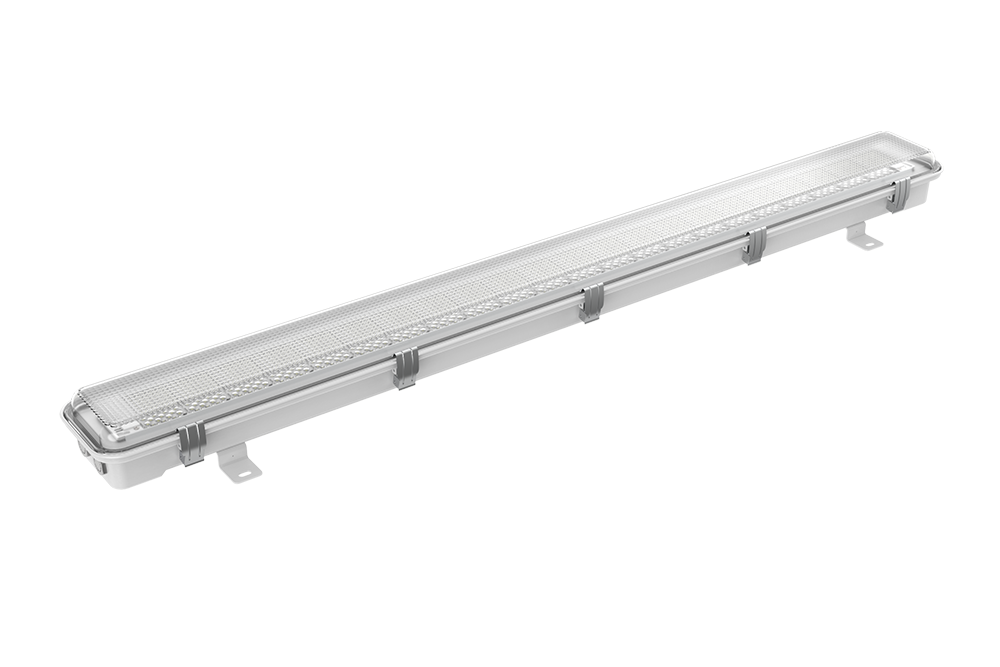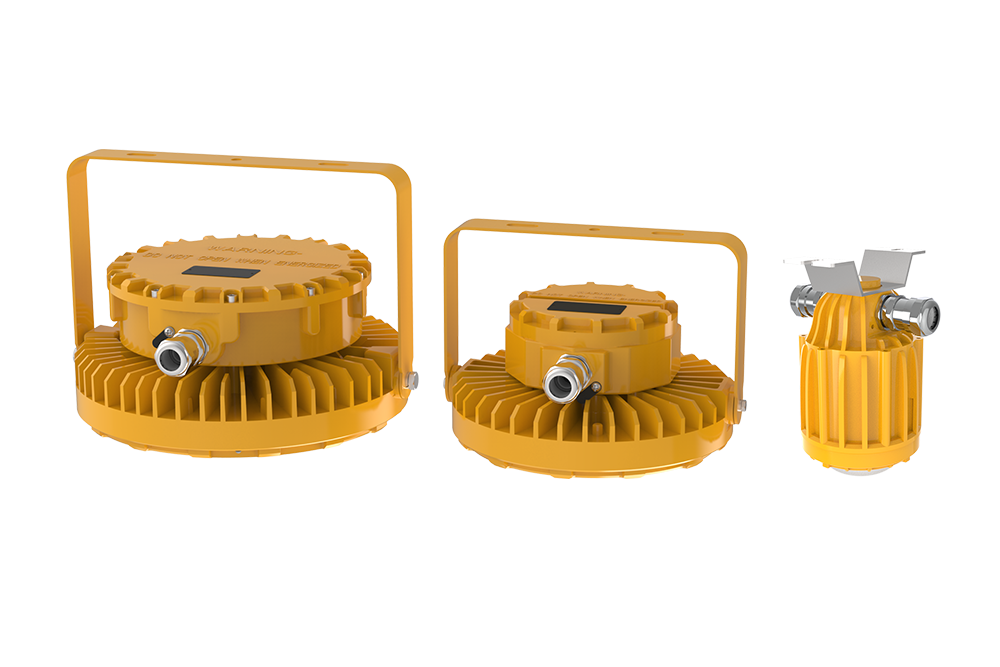
Embarking the following paper analyzes an methods with explosion-proof devices across commercial workspaces.
Running securely alongside perilous locations specifically industrial works obliges specialized systems with the goal to block imminent incidents. Spark-resistant illumination units are fundamental units in such zones, engineered to survive sparks, ignitable vapors, and ignitable atmospheres. Each contraptions are not naturally reliable; conversely they are produced to enclose any inward arc or emission and halt it from triggering a amplified ignition in the nearby region. This guide presents significant instruction about explosion-proof luminaires, their employments, and mitigation aspects for deploying them suitably.
Understanding Explosion Proof Lighting Standards
Dealing with relevant hazloc lighting rules can be complex, especially in markets operating in hazardous locations. These rules – often based on global bodies for instance the National Electrical Council (NEC), ATEX (Europe), and IEC – impose stringent design and placement steps to limit the likelihood of fire outbreaks from electrical fixtures. Understanding such standards is necessary for ensuring laborer safety and fulfillment with enforceable commands.
Crystal Intrinsically Safe Fixtures: Effectiveness & Protection
Electroluminescent blast-proof lighting units exhibit a notable boost over conventional filament units in spaces where volatile materials are detected. These robust devices not only generate high-quality energy efficiency, producing lessened expenditure, but specifically maintain a enhanced standard of safety by mitigating the probability of combustion attributable to discharge arc}.
Explosion Qualified Unsafe Environment Risky Proof Explosion Radiance Flare Resistant} Fixtures : A Complete Outline
Explosion Safe Risky Location Treacherous Proof} Illumination are specifically manufactured lighting tools built to function safely within plausibly ignitable environments. These sturdy fixtures inhibit sparks, temperature and charge bursts from igniting a significant explosion. They usually incorporate tailored designs, involving such as closed housings and fundamentally safe voltage units to confirm safety norms in industries like hydrocarbon & hydrocarbon gas processing, processing plants, resource recovery operations, and biomedical production.
Appointing the Suitable Detonation-Safe Luminaires for Critical Sites
Figuring out the most suitable detonation-safe illumination for a targeted classified space entails careful analysis. Variables such as the grouping (e.g., Type I, II, or III and divisions 1) are expected to be accurately considered to establish compliance with appropriate safeguarding regulations. Apart from the vicinity's intrinsic threats, factor in ecological factors, encompassing degrees and humidity, to identify a hardy and dependable method. Frequently confide in a trained engineer to lead your selection process.
Places Where Are Needed Explosion Proof Lights?
Explosion-proof frequently referred to as intrinsically safe|hazardous location|Class-rated} lighting apparatus are strictly needed in specific areas where inflammable aerosols or microparticles could may create a toxic atmosphere. This generally includes chemical refining plants, coating application areas, wood handling facilities, and industrial treatment facilities. Regulations, such as those from IEC and NEC, command their setup in these regions to lessen the risk of flames and protect security functionality.
Pros of Electroluminescent in Fire Safe Devices
Moving towards Electroluminescent technology for blast-proof devices offers a considerable array of advantages. First, light emitting diodes boast a far longer activity span compared to traditional neon devices, reducing care fees and outages. They are also intrinsically safer, producing less radiant heat which reduces the likelihood of combustion in hazardous atmospheres. Over and above, electroluminescent units are progressively effective in power use, leading to reduced energy usage payments and a minimized ecological influence. Finally, the solid structure of Light Emitting Diode components bears the severe surroundings typical of fire-safe areas.
- Increased Longevity
- Diminished Upkeep Payments
- Boosted Safety
- Diminished Electricity Expense
- Boosted Resilience
Controlling and Checking Explosion Proof Lighting Systems
Ongoing inspection and thorough evaluation of explosion-proof lighting schemes are critically fundamental for guaranteeing defense and mitigating potential menaces. This involves a systematic review of all parts, such as lighting installations, conduit, wiring systems, and associated junction enclosures. Explicitly, verify for led explosion proof lighting erosion, mechanical defects, and reliable bonding. Also, confirm that whole notices are visible and that the light units satisfies official requirements.
- Conduct observable reviews.
- Review wire terminations.
- Substantiate explosion protection.
Prospective Developments of Explosion Proof Lighting Technology
Transforming landscape of explosion-proof systems technology predicts a significant shift from traditional designs. Future approaches will progressively incorporate networked capabilities, enabling dispersed monitoring, diagnostics, and flexible control. We anticipate a rising adoption of luminescent technology, not only for its fundamental energy efficiency, but also its aptitude to facilitate installed sensors for measuring unstable conditions. Furthermore, materials research is leading innovations in resilient casing materials, allowing for reduced weight and improved designs, while retaining the needed levels of hazard prevention.
- Augmented battery life for transportable applications.
- Unification with anticipative maintenance infrastructures.
- Invention of hands-free lens techniques.